

Your project could be here
Over 40 cases
We have more to show — in person. Leave a request.
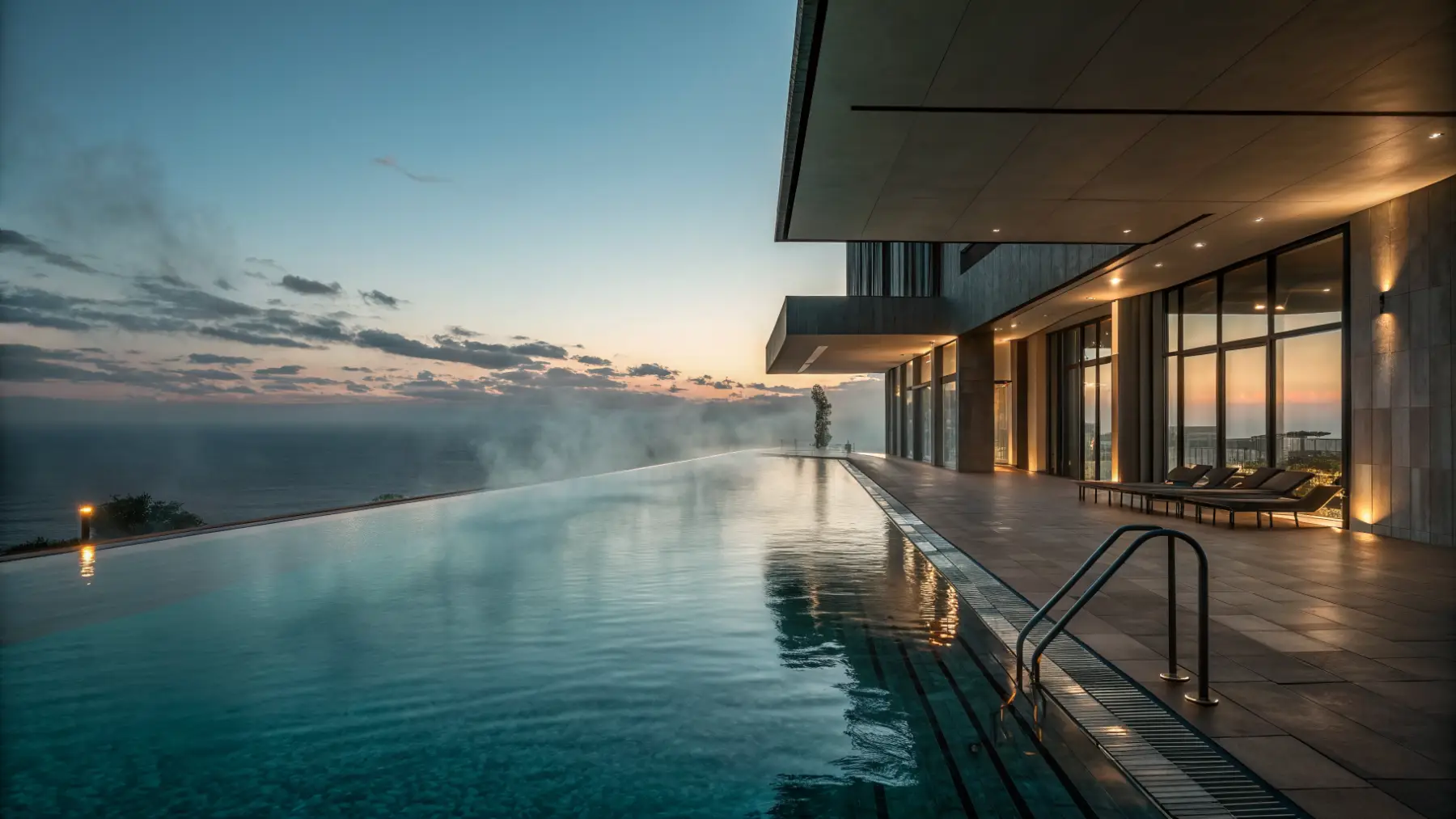
Banya clubs, thermal complexes and wellness: on-brand design and a direct sales channel — prepaid bookings, memberships and gift certificates through the site.
Search demand keeps growing and new venues open across the country. A strong site with online booking turns that demand into guests — whether you’re just launching or already running.
Source: Yandex Wordstatimpressions/mo, Moscow + SPb
of premium banyas & thermae in Russia still don't sell online
— losing bookings to chats and calls.
And online booking adds up to +30% revenue. Here is what changes in numbers:
All figures are from our real-project experience.
The first touch with a company is visual. That is why design is often the key factor when a client decides to buy. Quality design builds trust and conveys the brand mission and values.

 Turnkey
1C-Bitrix website with online booking, certificates and a Telegram app; we run marketing that brings guests steadily.
 Turnkey
A Bitrix website with online tickets and passes, an iOS/Android mobile app and a self-service kiosk; we run support and growth.
 Banya complex
A banya-complex website with online suite booking, ticket and certificate sales.
 Bath space
Website redesign, online store, gift boxes and a B2B landing for the «Kamishi» bath space.
 Turnkey
A turnkey site for a premium spa club: six bath spaces, programme and cosmetology catalogues, a quiz finder, certificates and a price list.
We have more to show — in person. Leave a request.
Cases for this segment are coming soon — see all →
Clear stages, timelines and results at every step — you always know what is happening.
Goals, segment, competitors, audit. The foundation for sales.
A prototype in the “Foggy Loft” style, iterations until “I see my site”.
Markup, online booking, integrations, speed and Core Web Vitals.
Migration with a 301 map, analytics, support, marketing.
Strategy, design, development and marketing — no middleman contractors. 10 years in banya and thermal digital.






The numbers below are a starting point. We calculate the exact budget by scope in a detailed estimate.
We start with the site: structure, design, copy, launch. Booking, guest accounts and gift cards are separate services — connected when they pay off, not by default.
We’ll add services in this category soon.
You can build a website yourself, especially to test a simple idea. Specialists help gather business context, plan the structure, agree on decisions and test the website in use. The value of the team is attention, experience and responsibility for the agreed result. We also use AI to implement decisions made together with you.
An exact figure right away would be dishonest: too much depends on scope — number of sections, integrations, whether content exists, whether a guest account is needed. So we estimate in two steps.
First, the quick one: you leave a request, we get on a call and try to give a range for your project right there. It is usually close to the numbers in the pricing block, but tied to your task.
Second, the precise one. After the call we come back with follow-up questions — sometimes a message thread is enough, sometimes another call. Based on your answers we prepare a detailed estimate and a proposal: what is included, the cost, the timeline and the terms. That takes from one day to a week depending on complexity.
We use AI in website production while our team handles context, structure, design and verification. Vibe Studio is our dedicated offer: a basic website from RUB 300,000 with a content editor, enquiry form and basic analytics. Scope and final price are agreed in the estimate. Booking, CRM and other integrations are quoted separately. Savings depend on a comparable scope of work.
The base website includes product discovery, one agreed visual direction using proven components, a home page and up to five internal page types, responsive layout, administration for agreed content, an enquiry form and basic analytics. Content volumes are specified in the estimate. Our method, reusable foundation and AI tools speed up production; the team checks structure, design and functionality. Two consolidated revision rounds and three months of implementation defect fixes are included. Booking, ecommerce, CRM, extra languages and creative art direction are quoted separately.